Every day, one story that matters, broken down into three numbered scenarios, each with its own probability. Never fixed — it shifts as the situation changes.
Scénario
Tuesday, carte blanche
High school protests: Can the movement force an overhaul of Parcoursup?
After three weeks of blockades (150+ high schools, 71,500 protesters on October 8) and the announcement of 3,000 substitute teachers, can the government defuse the crisis through budget amendments, or will the movement bog down in violence and attrition?
Publié le 20 octobre 2026
Share:
The facts
The point, in plain terms
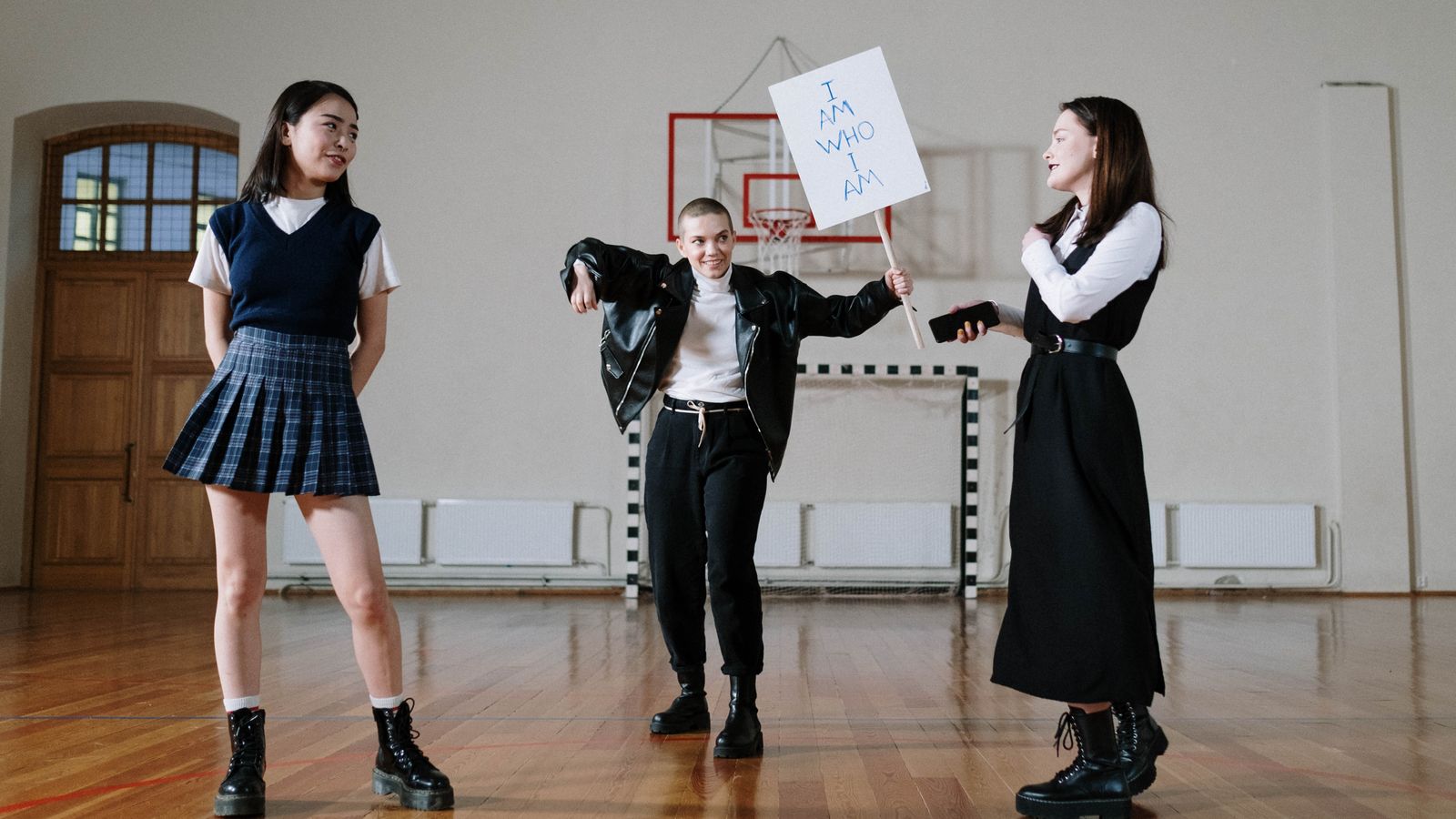
High school students are blockading schools to demand an end to selection on Parcoursup and better schedules.
The protest brings together tens of thousands of students frustrated by teacher shortages and anxiety surrounding post-secondary admissions. The government is offering emergency substitutes, but currently refuses to overhaul exam procedures. The key question is whether the executive will turn this crisis into reform or wait for exhaustion and the school break to clear the picket lines.
Since mid-September 2026, French youth have staged coordinated days of action across major regional cities and outside schools. Students are denouncing a severely degraded daily school environment, marked by fragmented timetables, unreplaced teacher absences, and widespread anxiety over post-secondary orientation. The protest reached its peak on October 6 with 800 high schools blockaded nationwide, before stabilizing at around two hundred disrupted schools during subsequent days of action. For student unions, this anger goes far beyond a mere rough start to the school year: it directly challenges the overall structure of secondary education.
At the heart of student demands is the contentious operation of the post-baccalaureate admissions platform, Parcoursup*. Youth organizations denounce automated sorting and demand complete transparency regarding the actual selection criteria for university applications. Protests also target the practical fallout of the 2019 Blanquer reform*, which replaced traditional academic tracks with individual specialized subjects. This setup creates numerous free periods throughout the school day and complicates classroom management, while the dilapidated and poorly insulated state of school buildings fuels widespread frustration among students and teaching staff alike.
Understanding it
Parcoursup: Why application screening worries students so much
Created to place high school graduates into higher education programs, the platform uses review criteria specific to each degree program. Students often compare this system to a black box: they do not know how their grades are weighted relative to their high school's reputation. This uncertainty fuels intense anxiety starting in the very first term of their final year.
Faced with mounting pressure, Minister of National Education Édouard Geffray responded during Act IV on October 8 by unveiling the emergency deployment of 3,000 substitute teachers across five hundred priority high schools. The ministry relies on new tracking software that identified 114 high schools classified as “red” and 400 as “orange” based on their volume of uncovered class hours. The executive is also authorizing regional education authorities to hire additional contract teachers and releasing several hundred thousand overtime hours to allow for short-term internal substitutions within each school.
Understanding it
The ministry's emergency plan: Algorithm-targeted reinforcements
The ministry now uses tracking software to categorize high schools into two alert levels, red or orange, based on the number of lost classroom hours. Deploying 3,000 substitutes acts as a quick bandage to extinguish the most critical flare-ups, but creates no new tenured positions.
However, this administrative response is viewed as purely a stopgap measure by the joint student union coalition, which demands massive financial commitments and a thorough overhaul of academic curricula. Prime Minister Sébastien Lecornu mentioned setting up an online consultation platform and tabling amendments to the 2027 finance bill* to make certain measures permanent. Nevertheless, the state's narrow fiscal leeway sharply limits the executive's ability to fund net creations of tenured positions or large-scale thermal renovation projects.
At the same time, the mobilization faces public order issues that undermine its public image. On October 8, the day of demonstrations drew 71,500 protesters across France, including 24,500 in the capital, but led to 504 arrests and 48 injured police officers. While public opinion broadly supports the core student demands—with 54% approval measured by pollster Ipsos—it overwhelmingly rejects property damage and urban violence, condemned by 79% of French citizens. This divide complicates building lasting support from parent-teacher federations.
The approaching autumn school holidays now mark a pivotal moment for all actors in the education dispute. Three forward-looking trajectories emerge for the coming weeks. The government could choose to open comprehensive negotiations on orientation to defuse the crisis, bet on a natural fizzling out of the protests thanks to emergency reinforcements and the school break, or face a radicalization of blockades that would directly threaten the academic calendar for final-year students.
Blockaded high schools (Act IV peak)800 high schools (October 6, 2026) 214 high schools recorded on October 13
Act IV protesters71,500 (24,500 in Paris) 504 arrests on October 8
Les chiffres
Évolution du nombre de lycées bloqués lors de la mobilisation lycéenne d'automne 2026.
6 octobre (pic)
800 lycées
8 octobre (acte IV)
224 lycées
13 octobre (acte V)
214 lycées
Ministère de l'Éducation nationale, via La Croix et Boursorama, octobre 2026
Three outcomes for high school unrest ahead of the break
What we're assessing
FavorableLe gouvernement modifie Parcoursup et injecte des crédits dans le budget 2027.
StableLes renforts d'urgence calment le jeu sans qu'aucune réforme de fond ne soit votée.
DégradéLes affrontements se multiplient et bloquent durablement les lycées jusqu'à l'hiver.
Favorable
25%
Unlikely
The government concedes a Parcoursup overhaul and approves funding
In this first scenario, joint pressure from youth unions, parent federations, and a largely sympathetic public forces the government to open substantive talks. The Ministries of National Education and Higher Education agree to revise selection algorithms and make university admission scoring scales fully public. In practice, Prime Minister Sébastien Lecornu pushes through amendments to the finance bill to ring-fence a school renovation plan and make substitute teaching positions permanent. High school general assemblies then vote to gradually lift picket lines before the autumn break.
This favorable outcome would restore lasting peace to high schools by addressing the structural causes of student unrest. However, our assessment assigns only a 25% probability to this trajectory, as it would require massive budgetary expenditures within a very tight public finance framework. Unlike the emergency management scenario without reform or prolonged street radicalization, this outcome would break with the traditional stance of authorities avoiding concessions under pressure from an emerging high school movement.
Indicators affected
Lycées bloqués0 lycée bloqué↓800 au pic
Manifestants nationauxRetour au calme complet↓71 500 le 8 octobre
The France angleA negotiated resolution reassures families and modernizes access to higher education. ↑ Moderately favorable for France.
Stable
55%
Fairly likely
Emergency measures quell protests without fundamental reform
In this second scenario, the executive sticks to technical adjustments without overhauling the baccalaureate structure or the operation of the Parcoursup platform. The deployment of 3,000 substitute teachers across the 500 targeted schools substantially reduces vacant classroom hours and eases immediate family discontent. In practice, school blockades dwindle due to student fatigue, public rejection of street violence by 79% of citizens, and the upcoming All Saints' holiday break. The online consultation platform absorbs grievances without leading to new legislation.
Our most likely scenario (55%) thus anticipates a gradual return to normal in classrooms, but at the cost of lingering frustration across schools. Compared to the prospect of a full overhaul (25%) or protracted violent escalation (20%), this trajectory prevents lasting disruption to the academic year without addressing the shortage of teaching talent. This fragile compromise would inevitably shift tensions toward the political debates of the 2027 presidential election.
Indicators affected
Lycées bloquésMoins de 50 lycées résiduels↓800 au pic
Manifestants nationauxMoins de 10 000 jeunes mobilisés↓71 500 le 8 octobre
The France angleSchools return to normal operations, but frustrations over post-secondary orientation remain unaddressed. ↓ Moderately unfavorable for France.
Degraded
20%
Unlikely
Blockades radicalize, disrupting the school year
In this third scenario, the government's refusal to reform exams pushes the most militant youth factions into direct, prolonged confrontation. Protest marches are marred by frequent urban clashes, forcing education authorities to order administrative school closures for security reasons. In practice, final-year students fall critically behind in their baccalaureate prep, while school principals, already strained by recurring tensions since September, distance themselves from ministerial directives. The authority of the Ministry of Education would emerge severely undermined.
This degraded trajectory would cause a deep rift between the school system and a significant portion of mobilized students. Our assessment puts the probability of this risk at 20%, as the drive to pass exams and parental disapproval of property damage form an effective barrier against an open-ended strike. If this tense dynamic were to prevail over the expected loss of momentum (55%), the executive would lean toward an intensified security response, making any educational compromise impossible.
Indicators affected
Lycées bloquésPlus de 300 lycées fermés↑800 au pic
Manifestants nationauxRegain au-dessus de 100 000 manifestants↑71 500 le 8 octobre
The France angleA deteriorating school climate harms student learning and weakens the ministry. ↓ Moderately unfavorable for France.
Ordres de grandeur indicatifs pour les 3 scénarios ci-dessus, estimés avec l'information disponible à la publication et réévalués si la situation change — jamais des prévisions garanties. Learn more about our method → · How to read a probability →
Key takeaways
Can high school protests force the government to overhaul Parcoursup and class schedules before the autumn break?
Following a peak of 800 blockaded high schools in early October and 71,500 protesters on October 8, Minister Édouard Geffray deployed 3,000 emergency substitute teachers to 500 priority schools.
Not fundamentally: our most likely scenario (55%) anticipates the movement fizzling out thanks to emergency reinforcements and the school break, versus two other paths: a negotiated overhaul (25%) and violent deterioration (20%).
The vote on 2027 budget amendments in the National Assembly and turnout at high school general assemblies ahead of the All Saints' break.
Somewhat negative
Our assessment of the impact for France: somewhat negative.the combined 75% probability of a mere temporary patch-up or festering school tensions keeps families anxious without resolving the structural teacher shortage.
Si tu devais retenir 1 chose
Avec 800 lycées bloqués au pic de la crise et 71 500 manifestants le 8 octobre, la contestation pousse le gouvernement à déployer 3 000 remplaçants d'urgence mais laisse entière la colère sur Parcoursup.
Don't miss the next edition:
For those new to the topic
Quick glossary
Parcoursup
The national platform where final-year high school students submit their applications for higher education.
Blanquer reform
High school reform implemented in 2019, replacing traditional general academic tracks with elective subject combinations called specialties.
finance bill
Legislation passed each autumn by Parliament to set government spending and revenue for the following year.