Every day, one story that matters, broken down into three numbered scenarios, each with its own probability. Never fixed — it shifts as the situation changes.
Scénario
Saturday, culture
Art: from artwork to experience
Is art shifting from a culture of enduring artworks to one of ephemeral experiences?
Publié le 10 octobre 2026
Share:
The facts
For centuries, art has been defined by the creation of a unique physical object meant to outlive generations. A master’s canvas or a marble sculpture stood the test of time to pass on a creator’s vision to posterity. Today, this material permanence faces the rise of immersive formats and interactive digital media. Visitors no longer seek merely to contemplate a masterpiece from a distance in the quiet of a hushed gallery; they want to experience an enveloping visual and sensory moment. Monumental light projections draw millions of curious visitors looking for immediate emotions to share. This shift fundamentally redefines our relationship with visual culture, raising questions about the future role of tangible objects.
Even so, the market for physical artworks has rarely seemed stronger at the apex of its financial pyramid. In the first half of 2026, auction sales of physical art surged by 71% according to Deloitte, reaching $6.7B in revenue for major auction houses like Christie’s, Sotheby’s, and Phillips. In 2025, the global art market had already rebounded to $59.6B according to the benchmark report published by Art Basel & UBS. Collectors continue to pay fortunes to own the authentic physical substance of a historic painting. The aura* of an original piece—its unique, irreplaceable existence in real space—retains immense economic and symbolic value.
Understanding it
Technical reproduction and digitization alter the unique presence of an artwork.
An authentic artwork possesses an irreplaceable physical presence tied to its history and materials. When exact copies or digital projections circulate across screens everywhere, this unique presence fades. The image becomes instantly accessible to all, but the original painting loses part of its traditional mystery.
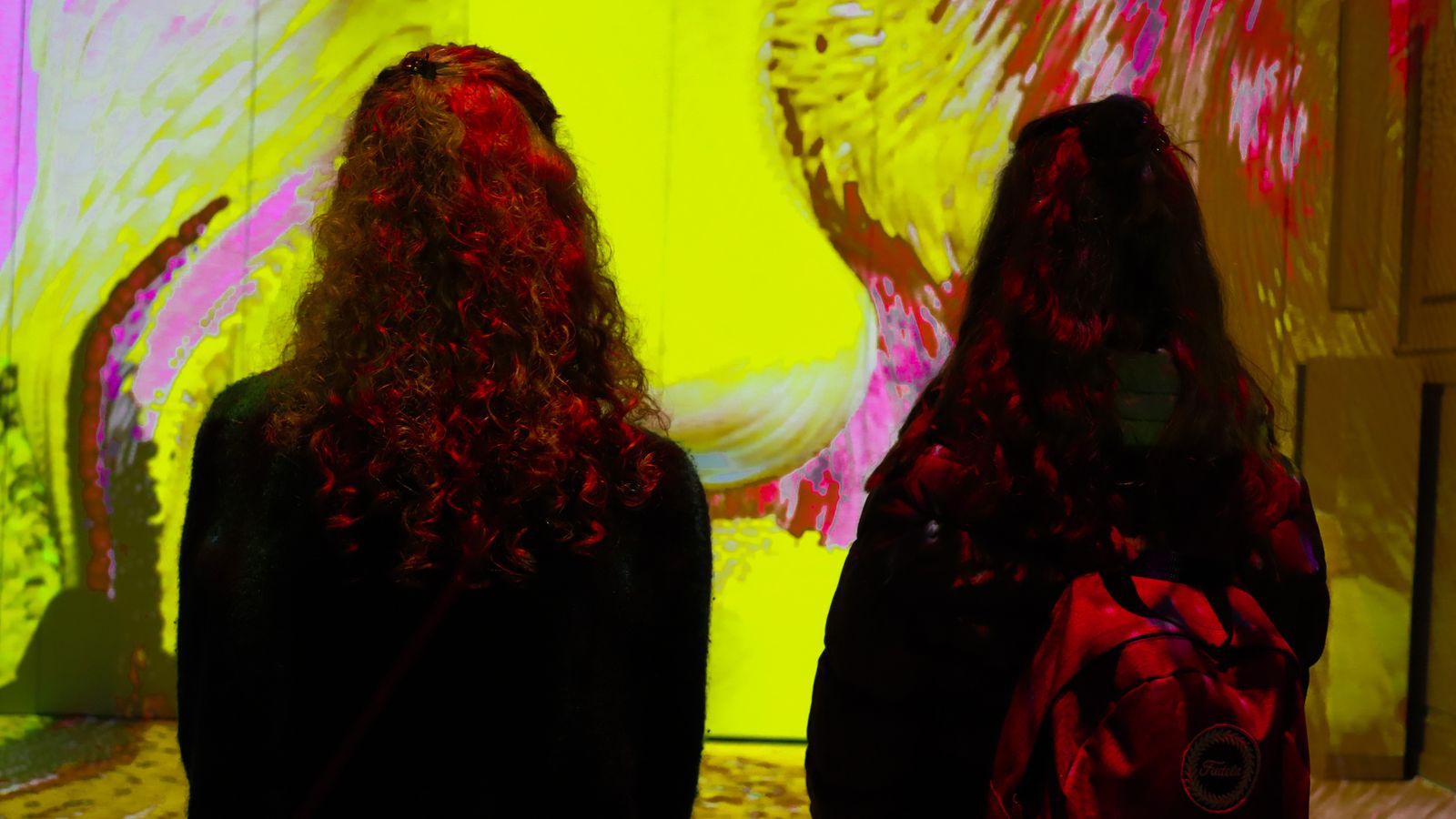
At the same time, new forms of experiential exhibitions are enjoying widespread, runaway success with the general public and families. Private operator Culturespaces, which runs the Atelier des Lumières in Paris and the Bassins des Lumières in Bordeaux, welcomed over 5 million visitors in 2025. These venues hold no permanent collections and no precious canvases in storage. Instead, they project giant 360-degree digital animations onto industrial walls set to an immersive soundtrack*. Audiences do not come to purchase a physical good or study art history, but to experience an ephemeral spectacle designed to leave a lasting impression and be shared on social media.
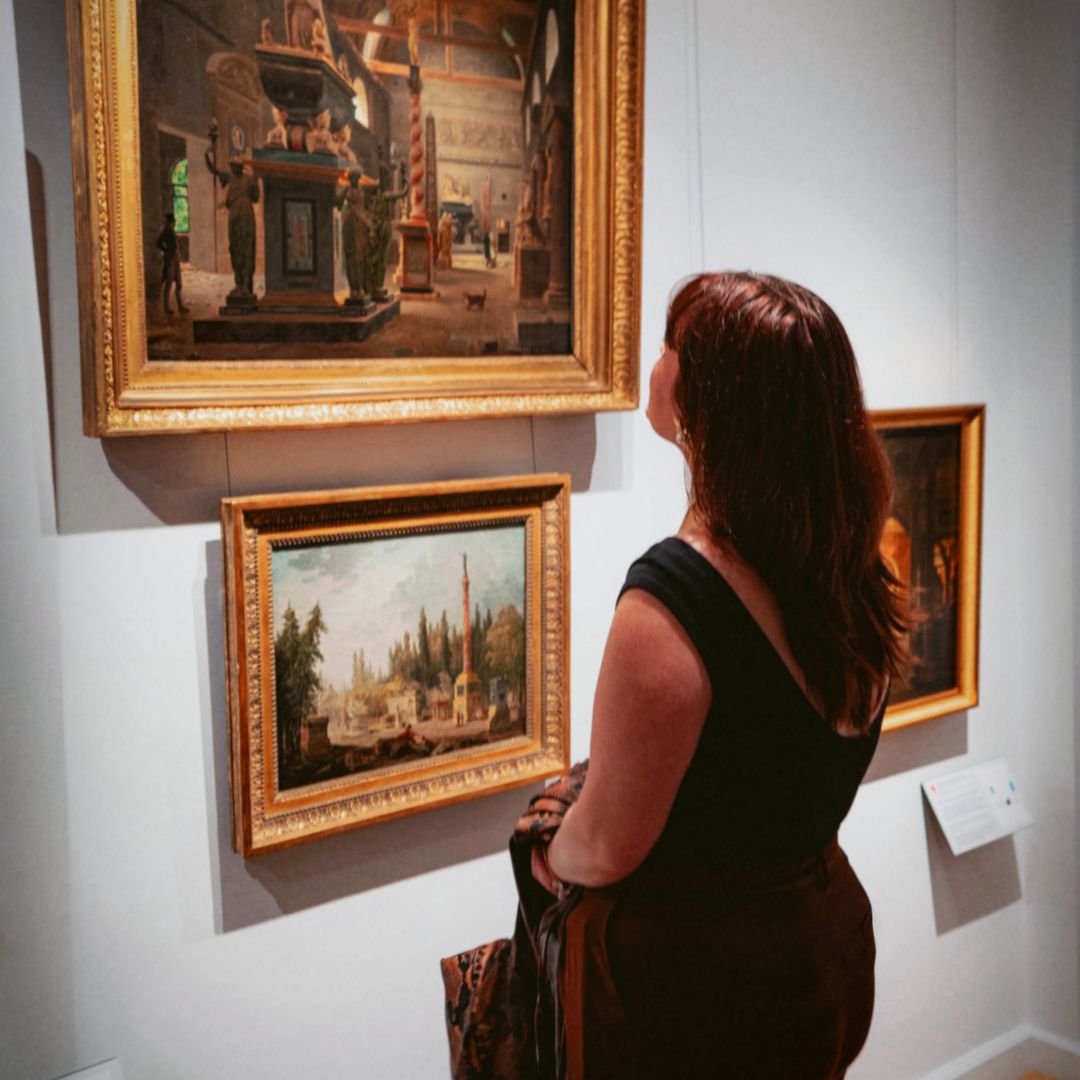
Traditional, historic museums refuse to be confined to the role of dusty shrines to the past. The Louvre recorded nearly 9 million visitors in 2025, confirming the enduring draw of major masterpieces like the Mona Lisa. To rekindle the interest of younger generations, heritage institutions are integrating virtual reality headsets, interactive trails, and digital reconstructions directly into their historic galleries. Museums are adopting a hybrid approach where technological mediation enriches direct dialogue with the original canvas without ever attempting to erase it. The physical monument remains the indispensable anchor of the visitor’s journey.
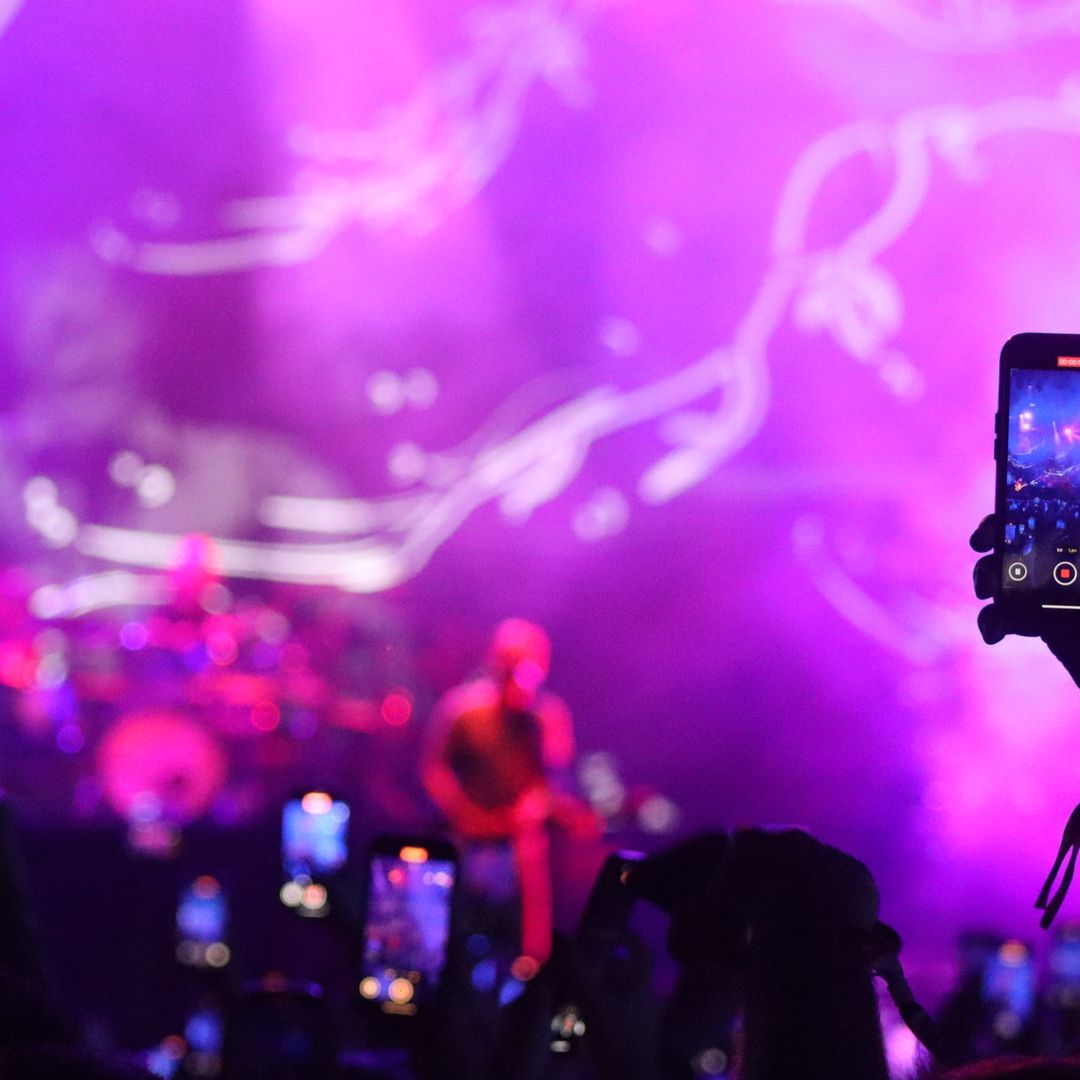
The massive arrival of generative AI and ephemeral visual works is further accelerating this pivot toward instant cultural consumption. When a striking image can be generated in seconds from a text prompt before vanishing in the newsfeed, material scarcity takes on a new meaning. Visitors often spend less than thirty seconds looking at a painting in a packed room—just long enough to snap a souvenir photo with a smartphone. Human attention has become the most contested resource between traditional creators and digital visual show designers. The central question is no longer just whether an object survives through the centuries, but how long a viewer’s gaze actually lingers on it.
Understanding it
Public attention shifts from contemplating the object to the lived memory.
In front of a famous painting, visitors often spend a few seconds framing a photo to prove they were there. The focus is no longer just on closely studying brushstrokes, but on experiencing a memorable moment. The emotion of the lived experience takes precedence over sustained contemplation.
Faced with these profound changes, the future of the art world hangs between three contrasting paths. On one hand, screen fatigue could trigger a powerful return to the tangible, where the physical object regains renewed prestige against all-digital media. On the other, a balanced hybridization could take hold, allowing physical canvases and digital spectacles to coexist harmoniously. Finally, a more radical pivot toward ephemeral event-based art could gradually marginalize heritage conservation in favor of perishable visual sensations. We explore these three forward-looking scenarios to understand how society will choose to experience beauty in the coming decades.
Physical art auction sales (H1 2026)$6.7B +71% year-on-year
Culturespaces visitors (2025)5 million +1% year-on-year (12 global venues)
Les chiffres
Comparaison des ventes aux enchères internationales au premier semestre sur trois ans.
FavorableLe besoin de réel renforce durablement le statut de l'œuvre physique et des musées face aux écrans.
StableLes institutions associent l'œuvre originale et les technologies immersives dans une alliance durable.
DégradéL'expérience visuelle instantanée supplante la conservation des objets et fragilise la mémoire artistique.
Favorable
35%
Likely
The return to reality cements the value of the physical object
In this first scenario, widespread screen fatigue leads audiences to seek the raw authenticity of tangible matter. Art lovers and younger generations rediscover the unique pleasure of viewing an original painting, feeling the texture of a physical medium, or listening to a vinyl record. Physical auction sales maintain solid growth, driven by collectors determined to anchor their wealth in durable, verifiable assets. Historic museums see rising attendance thanks to tours centered on quiet contemplation and the study of original masterpieces. Immersive digital formats settle into a role as basic educational tools for schools, without ever challenging the prestige of traditional galleries.
Unlike the assumption of a complete shift toward fleeting entertainment, this trajectory reaffirms that artistic value rests on material scarcity and preservation over time. Algorithmic digital art or projections on factory walls remain perceived as engaging entertainment lacking lasting cultural weight. Private collectors and public foundations concentrate their budgets on acquiring tangible physical works and restoring ancient collections. This swing back toward the tangible could turn slow contemplation into a highly sought-after cultural luxury.
Indicators affected
Ventes aux enchères art physique (S1 2026)8,2 milliards de dollars↑6,7 milliards de dollars au S1 2026
Visiteurs de Culturespaces (2025)4,5 millions↓5 millions en 2025
The France angleFrance's rich heritage and national museums strengthen their global tourist appeal. ↑ Rather favorable for France.
Stable
45%
Likely
A lasting alliance between physical artworks and immersive mediation
This second scenario sees a lasting equilibrium emerge between preserving physical objects and developing innovative sensory experiences. Major museums become hybrid venues where viewing an authentic masterpiece is immediately extended by virtual reality tools and interactive archives. Immersive venues like the Atelier des Lumières continue to draw wide audiences who discover the old masters before visiting traditional exhibition halls. The physical auction market remains thriving for exceptional historic pieces, while digital experience producers successfully monetize their ticket sales. Both business models reinforce one another without competing or weakening each other.
Compared to rejecting digital tools or witnessing the total eclipse of physical objects, this middle path matches cultural habits actually observed in institutions today. Visitors do not choose between visiting the Louvre and an immersive Culturespaces show; they enjoy both depending on their mood and leisure time. Contemporary artists are also creating physical works designed from the outset to interact with digital extensions. This harmonious coexistence could secure cultural access for audiences with very diverse expectations.
Indicators affected
Ventes aux enchères art physique (S1 2026)7,1 milliards de dollars↑6,7 milliards de dollars au S1 2026
Visiteurs de Culturespaces (2025)5,8 millions↑5 millions en 2025
The France angleThe French cultural ecosystem leverages its historic collections while exporting its immersive expertise. ↑ Rather favorable for France.
Degraded
20%
Unlikely
The culture of the instant overtakes heritage preservation
In this third scenario, art permanently transforms into an industry of ephemeral events and disposable visual entertainment. Audiences abandon traditional museums in favor of spectacular temporary installations designed to generate viral social media content. Artificial intelligence produces continuous streams of on-demand personalized images, rendering the very idea of acquiring and preserving a physical object at home obsolete. Public and private budgets pivot away from heritage restoration toward lucrative, short-lived visual spectacles that are quickly dismantled. The average attention span in front of a work drops below ten seconds, erasing the possibility of deep intellectual contemplation.
Unlike the other two scenarios that safeguard material memory, this outlook cements the decline of heritage transmission in favor of fleeting sensations. Traditional art galleries shut their doors as mid-market sales of physical art collapse, restricting the tangible market to a handful of ultra-wealthy collectors. Shared culture loses its historical reference points to an uninterrupted sequence of sensory experiences forgotten as soon as they are consumed. Artistic practice would then slide into becoming just another branch of commercial live entertainment.
Indicators affected
Ventes aux enchères art physique (S1 2026)4,1 milliards de dollars↓6,7 milliards de dollars au S1 2026
Visiteurs de Culturespaces (2025)7,5 millions↑5 millions en 2025
The France angleThe French museum conservation model loses its audience and faces declining funding. ↓ Rather unfavorable for France.
Ordres de grandeur indicatifs pour les 3 scénarios ci-dessus, estimés avec l'information disponible à la publication et réévalués si la situation change — jamais des prévisions garanties. Learn more about our method →
Key takeaways
Is contemporary art abandoning durable objects in favor of ephemeral entertainment?
The physical art market rebounded to $59.6B in 2025, while Culturespaces drew more than 5 million visitors.
Not really: our most likely scenario (45%) points to a lasting hybrid alliance between tangible works and digital tools—two other scenarios remain possible: an exclusive return to reality (35%) or the triumph of ephemeral event-art (20%).
Watch annual attendance figures at the Louvre and semi-annual auction reports published by Deloitte in 2027.
Fairly positive
Our assessment of the impact for France: fairly positive.The hybrid scenario (45%) and the return to reality (35%) directly benefit French museums and homegrown immersive tech companies.
Si tu devais retenir 1 chose
Les ventes aux enchères d'art physique ont bondi de 71 % au premier semestre 2026 à 6,7 milliards de dollars, prouvant la force de l'objet tangible face aux expériences immersives.
Don't miss the next edition:
For those new to the topic
Quick glossary
aura
The unique, singular, and irreplaceable presence of an original artwork in its real physical space.
immersive art
An exhibition format using 360-degree visual and sound projections to immerse viewers inside an artistic world.