Every day, one story that matters, broken down into three numbered scenarios, each with its own probability. Never fixed — it shifts as the situation changes.
Scénario
Monday, geopolitics
Houthis: Can Saudi Arabia prevent regional escalation?
Could Houthi attacks on Saudi Arabia trigger a regional escalation?
Publié le 16 novembre 2026
Share:
The facts
The point, in plain terms
Houthi missile strikes on Saudi cities and refineries threaten to draw Iran, the United States, and Europe into a regional war.
The Houthi armed group, allied with Tehran, is firing missiles at Saudi Arabia and striking oil infrastructure. Iran is threatening to attack Western military bases if the US military retaliates. For the rest of the world, the risk is a disruption of energy exports and soaring fuel prices.
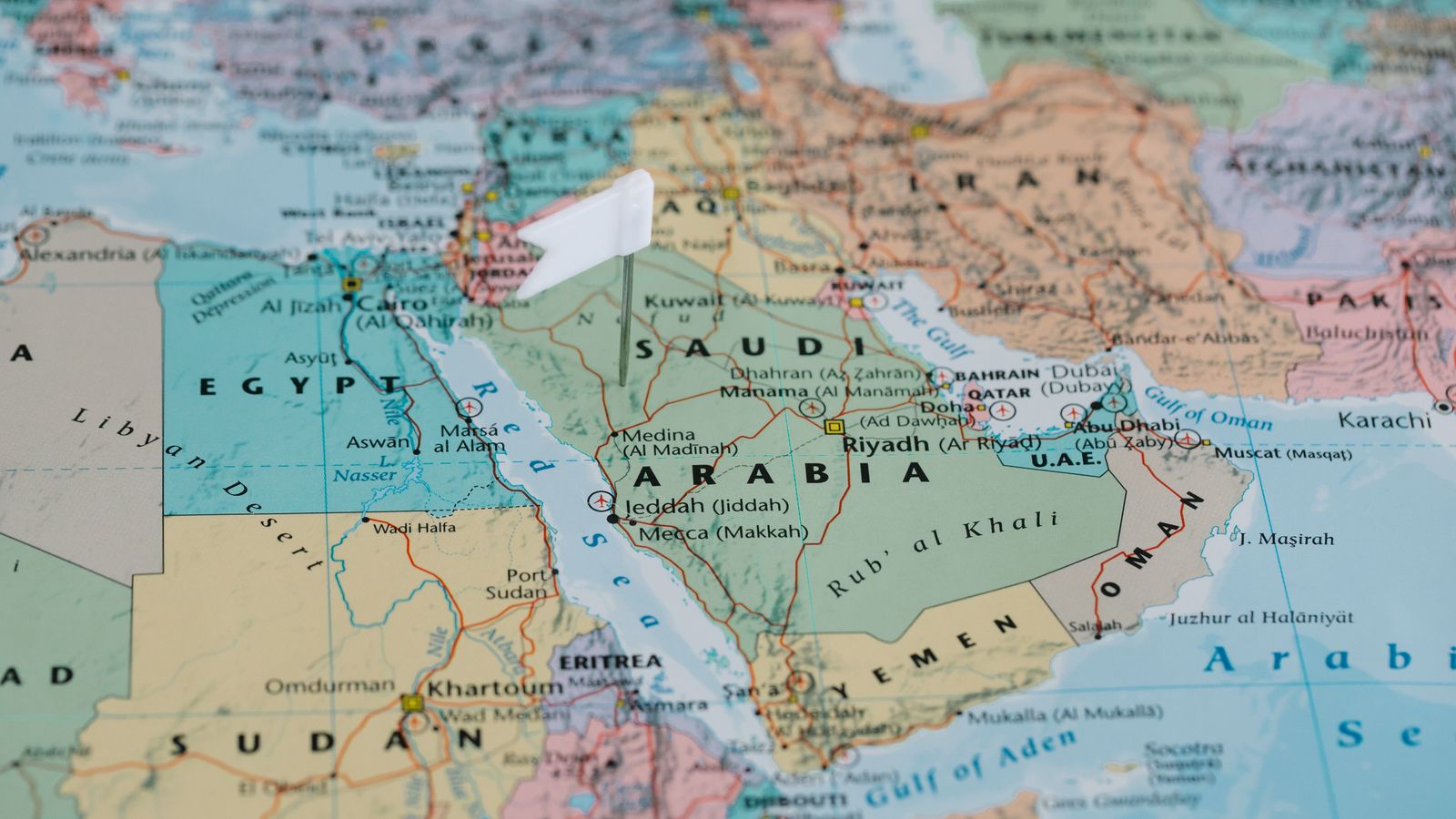
The Arabian Peninsula is entering a new phase of acute military instability. On November 11, 2026, the Houthi armed group* launched a series of coordinated missile attacks against the city of Aden, the temporary seat of the Yemeni government, as well as toward Riyadh, the capital of Saudi Arabia. Two projectiles struck a coalition military camp in Aden and a third hit the city center. At the same time, Saudi air defenses intercepted three cruise missiles heading toward Riyadh. These strikes directly target command centers and threaten the oil infrastructure of the world’s leading crude oil exporter.
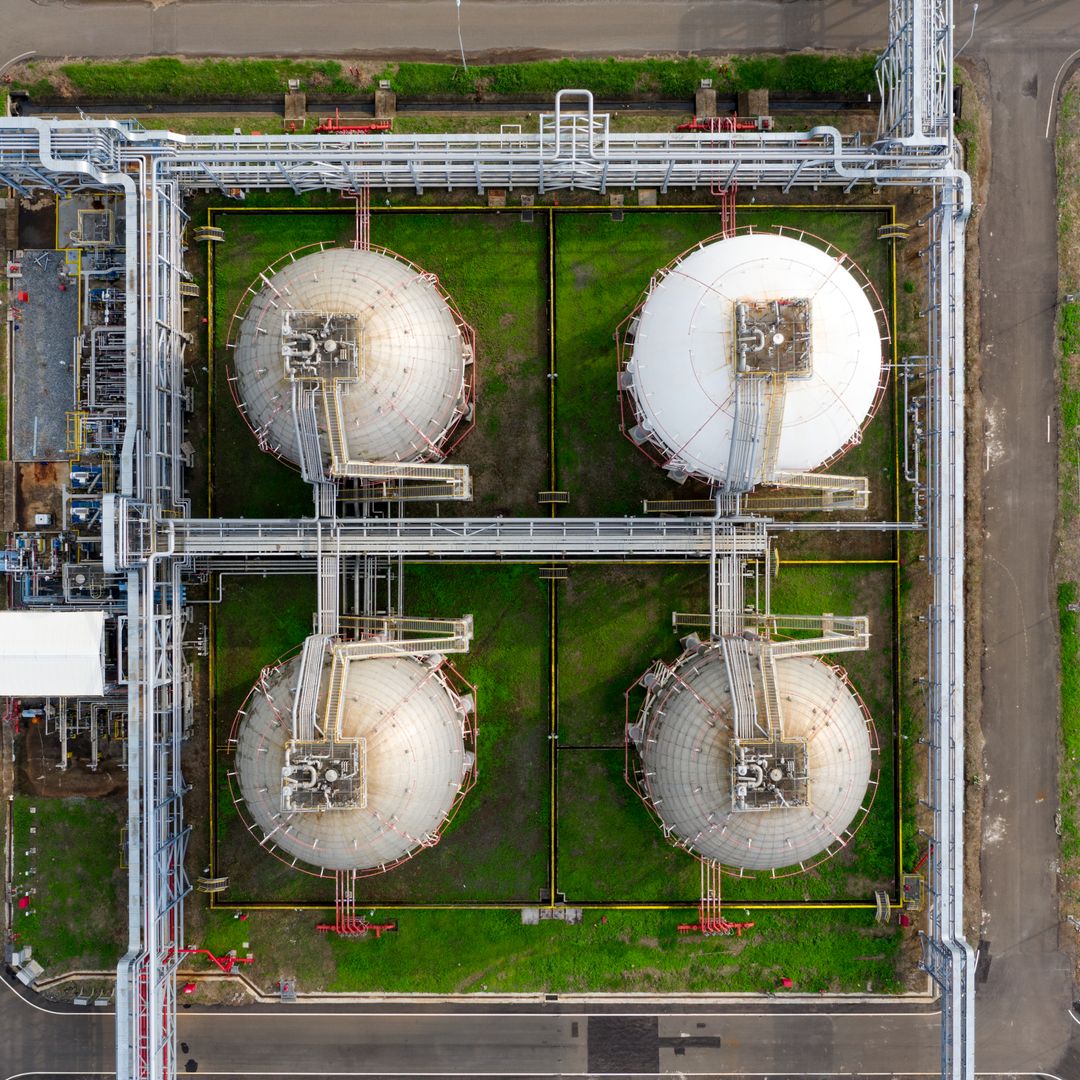
This escalation marks a dangerous turning point that extends beyond Yemen’s internal conflict. Just days before these strikes, an Aramco state oil company tower was damaged in Riyadh’s business district. Houthi fighters are demonstrating their ability to strike critical economic targets deep inside Saudi territory. In response, the Saudi kingdom is bolstering its missile defense shield while striving to calibrate its retaliation. Riyadh authorities are seeking to protect their economic modernization projects while safeguarding refineries and export terminals from future physical damage.
Understanding it
The Houthis pursue a harassment strategy to exert influence beyond Yemen’s borders.
The Yemeni armed group uses low-cost missiles and drones to strike major economic targets in Saudi Arabia. By targeting refineries and the capital Riyadh, fighters seek to force the Saudi kingdom to halt military operations and gain international political recognition.
The conflict is immediately taking on an international dimension due to Iran’s backing of Houthi forces. Tehran provides documented material and technological support to the Yemeni rebels, shifting the balance of power across the Gulf. On November 11, 2026, the Secretary of Iran’s Supreme National Security Council, Mohsen Rezaee, escalated tensions by publicly stating that his country would strike US military bases—including those on European territory—if they were used to launch operations against the Islamic Republic. This statement poses a direct threat to Western partners.
Understanding it
Iran relies on regional allied groups to deter adversaries without entering into direct war.
By providing military support to the rebels in Yemen, the Iranian government maintains a permanent threat on Saudi Arabia’s southern flank. This method allows Tehran to exert intense pressure on Western nations and the oil market without officially committing its own national military to combat.
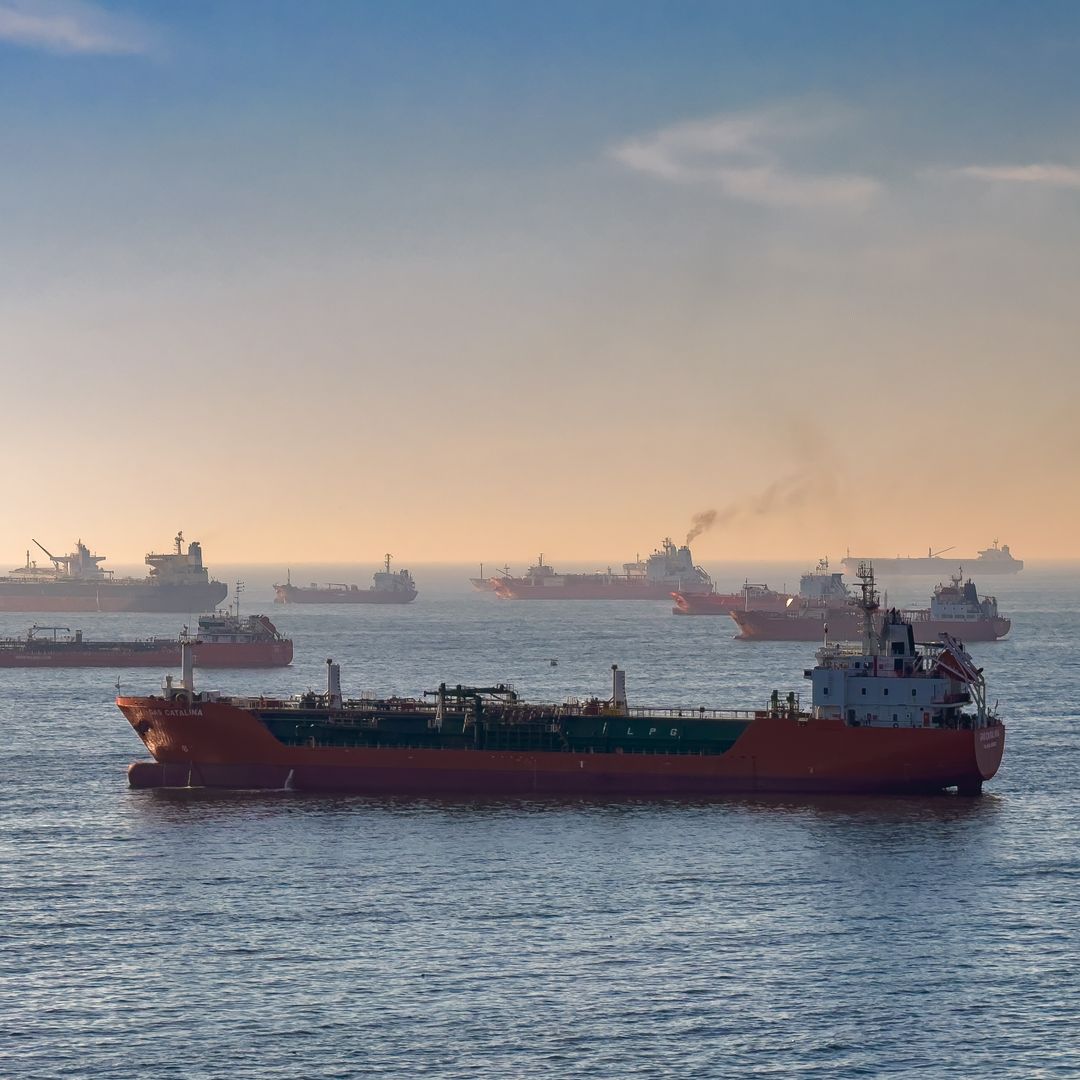
The current military situation is creating major uncertainty for the global economy. The strategic Red Sea shipping lane and hydrocarbon export routes depend directly on regional stability. If Saudi production facilities suffered lasting damage, the global oil supply would drop rapidly. Crude oil prices, already trending upward after the November 11 strikes, would surge immediately. Such energy strain would fuel inflation and hit importing nations across the board, starting with European economies.
Faced with repeated strikes, the Saudi government confronts a complex strategic dilemma. On one hand, a massive military retaliation against Houthi positions in Yemen risks triggering an open war with Iran, turning a local crisis into a wider Middle East conflagration. On the other hand, the absence of a firm response could be interpreted as a sign of weakness by armed militias, encouraging further drone and missile attacks against the kingdom’s cities and oil terminals.
The future of the crisis now hinges on decisions made in Riyadh, Washington, and Tehran. To shed light on potential outcomes, three distinct scenarios emerge for the coming months. The first envisions a halt to hostilities through discreet diplomatic negotiations and a regional compromise. The second, considered our baseline scenario, outlines the continuation of limited cross-border strikes that Saudi Arabia attempts to contain without launching a full-scale offensive. The third explores the risk of direct military escalation leading to an open confrontation between regional and international powers.
Brent crude oil priceWorld’s leading crude exporter targeted Markets on edge following November 11, 2026 strikes
Three Paths Forward Amid Middle East Missile Strikes
What we're assessing
FavorableUne trêve négociée sous médiation internationale stoppe les tirs et stabilise les cours de l'énergie.
StableLes attaques sporadiques continuent sans offensive générale saoudienne, maintenant une pression militaire constante.
DégradéUne riposte armée massive déclenche une guerre ouverte entre l'Arabie saoudite, les États-Unis et l'Iran.
Favorable
20%
Unlikely
A Negotiated Ceasefire Halts Missile Strikes
In this first scenario, diplomatic discussion channels open swiftly under the auspices of regional mediators like Oman or the United Nations. Saudi Arabia chooses not to retaliate militarily in order to protect its economic and tourism investment programs. In exchange for targeted sanctions relief and a Saudi financial commitment toward Yemen’s reconstruction, Iran encourages the Houthis to halt missile strikes against Riyadh and Aden. Both sides establish a border monitoring mechanism, freezing hostilities and securing Aramco oil facilities for the long term.
Our editorial team assigns a 20% probability to this peaceful outcome. It contrasts with the ongoing war of attrition scenario (55%) and that of an armed conflagration (25%). Such a compromise requires Tehran to rein in its allies without first securing major concessions from the United States. If talks succeed, regional shipping lanes would stabilize, and the threat of an oil shock would quickly recede for importing nations.
Indicators affected
Prix du baril de pétrole BrentBaisse et stabilisation des cours↓Tensions et primes de risque élevées
The France angleDiplomatic de-escalation secures fuel supplies and reduces threats to French military bases. ↑ Rather favorable for France.
Stable
55%
Fairly likely
Military Attrition Continues Without Direct Confrontation
In this second scenario, which serves as our baseline hypothesis, Houthi fighters continue launching sporadic drone and cruise missile attacks against southern Saudi Arabia and government positions in Aden. The Saudi government reinforces its antimissile batteries and intercepts most strikes, while limiting its retaliation to targeted airstrikes against weapons depots in Yemen. Riyadh carefully avoids directly accusing the Iranian government to prevent an all-out war. Tehran’s verbal threats against Western bases remain limited to deterrence rhetoric without actual military action.
Our assessment assigns a 55% probability to this calculated containment dynamic, compared to 20% for a negotiated ceasefire and 25% for uncontrolled escalation. This conflictual status quo holds because none of the actors wants to bear the economic and human costs of an open regional war. Saudi Arabia accepts living under a recurring security threat rather than risking the destruction of its core oil infrastructure, keeping a persistent risk premium on global energy prices.
Indicators affected
Prix du baril de pétrole BrentMaintien d'une prime de risque élevée→Hausse initiale après les frappes
The France anglePersistent tensions sustain high energy costs and require constant vigilance from French forces in the region. ↓ Rather unfavorable for France.
Degraded
25%
Unlikely
Military Escalation Degenerates into Open Regional War
In this third scenario, a new barrage of Houthi missiles bypasses defense systems and destroys a major oil refinery in Saudi Arabia, causing heavy casualties. In response to this intolerable strike, the Saudi coalition and US armed forces launch an extensive bombing campaign against command centers in Yemen and Iranian military targets in the Gulf. Iran then makes good on its threats by firing ballistic missiles at allied military bases and attempting to choke maritime traffic in the Strait of Hormuz.
This major escalation path is assigned a 25% probability, compared to contained tensions (55%) and a political agreement (20%). Such a slip into full-scale war would happen if an unexpected tactical incident crosses the belligerents’ red lines. A regional war would paralyze a significant share of Middle Eastern crude exports, trigger a sharp spike in worldwide fuel prices, and expose Western military contingents to direct strikes.
Indicators affected
Prix du baril de pétrole BrentFlambée brutale des prix mondiaux↑Niveaux d'avant les frappes
The France angleAn open conflict would directly threaten French troops stationed in the UAE and trigger an inflationary shock in France. ↓ Rather unfavorable for France.
Ordres de grandeur indicatifs pour les 3 scénarios ci-dessus, estimés avec l'information disponible à la publication et réévalués si la situation change — jamais des prévisions garanties. Learn more about our method → · How to read a probability →
Key takeaways
Could repeated Houthi attacks on Saudi cities and refineries trigger a wider military conflagration involving Iran and Western nations?
On November 11, 2026, three cruise missiles targeted Riyadh and three projectiles struck Aden, hitting coalition facilities and threatening the world’s leading crude oil exporter.
No immediate escalation: our most likely scenario (55%) anticipates ongoing sporadic attacks contained by Saudi defenses, compared to a negotiated truce (20%) and the risk of an open regional war (25%).
The scale of Saudi Arabia’s military retaliation and the potential use of Western bases to strike rebel positions in Yemen will serve as key indicators to watch in the coming days.
Moderately negative
Our assessment of the impact for France: moderately negative.the combined 80% probability that military tensions will persist or escalate poses a lasting risk to energy prices and the security of French bases in the Middle East.
Si tu devais retenir 1 chose
Le 11 novembre 2026, trois missiles de croisière ont visé Riyad, menaçant directement les infrastructures du premier exportateur mondial de pétrole brut.
Don't miss the next edition:
For those new to the topic
Quick glossary
Houthis
A political-military movement stemming from a Yemeni minority, controlling the capital Sanaa and backed by Iran in the regional conflict.