Every day, one story that matters, broken down into three numbered scenarios, each with its own probability. Never fixed — it shifts as the situation changes.
Scénario
Monday, geopolitics
Ukraine: Could the refinery war shift the balance of the conflict?
Could escalating reciprocal strikes on energy infrastructure trigger a global oil shock, force Russia to negotiate, or bog down into an energy war of attrition with no winner?
Publié le 9 novembre 2026
Share:
The facts
The point, in plain terms
Ukraine is attacking Russian refineries to drain Moscow of money and fuel, while Russia is bombing the Ukrainian power grid ahead of winter.
Ukraine is sending drones against Russian oil facilities. Russia is retaliating by knocking out electricity in Ukrainian cities. The core question is whether these strikes can force either side to yield. For consumers in France, the direct stake is fuel prices at the pump and the risk of another surge in energy costs this winter.
Since early autumn, the war between Ukraine and Russia has taken a new turn targeting fuel production facilities. On October 3, 2026, Ukrainian President Volodymyr Zelensky announced plans to “scale up” by directly targeting Russian refineries*. For Kyiv, the military objective is twofold: deprive the Russian army of fuel on the front line and drain the oil revenues financing the Kremlin’s war effort. In immediate retaliation, Moscow intensified missile and drone strikes against the Ukrainian power grid while urging foreign diplomats to evacuate the capital.
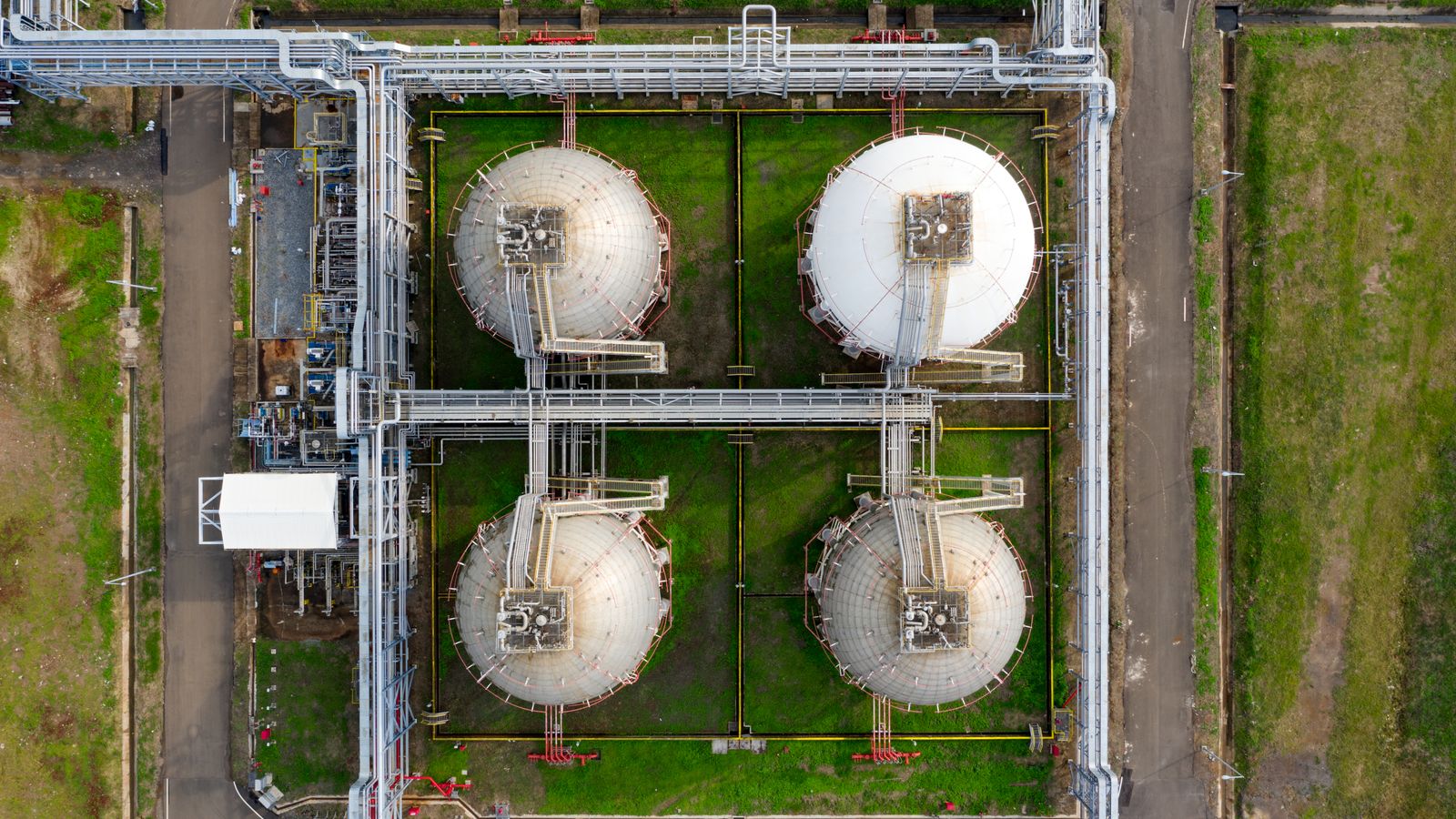
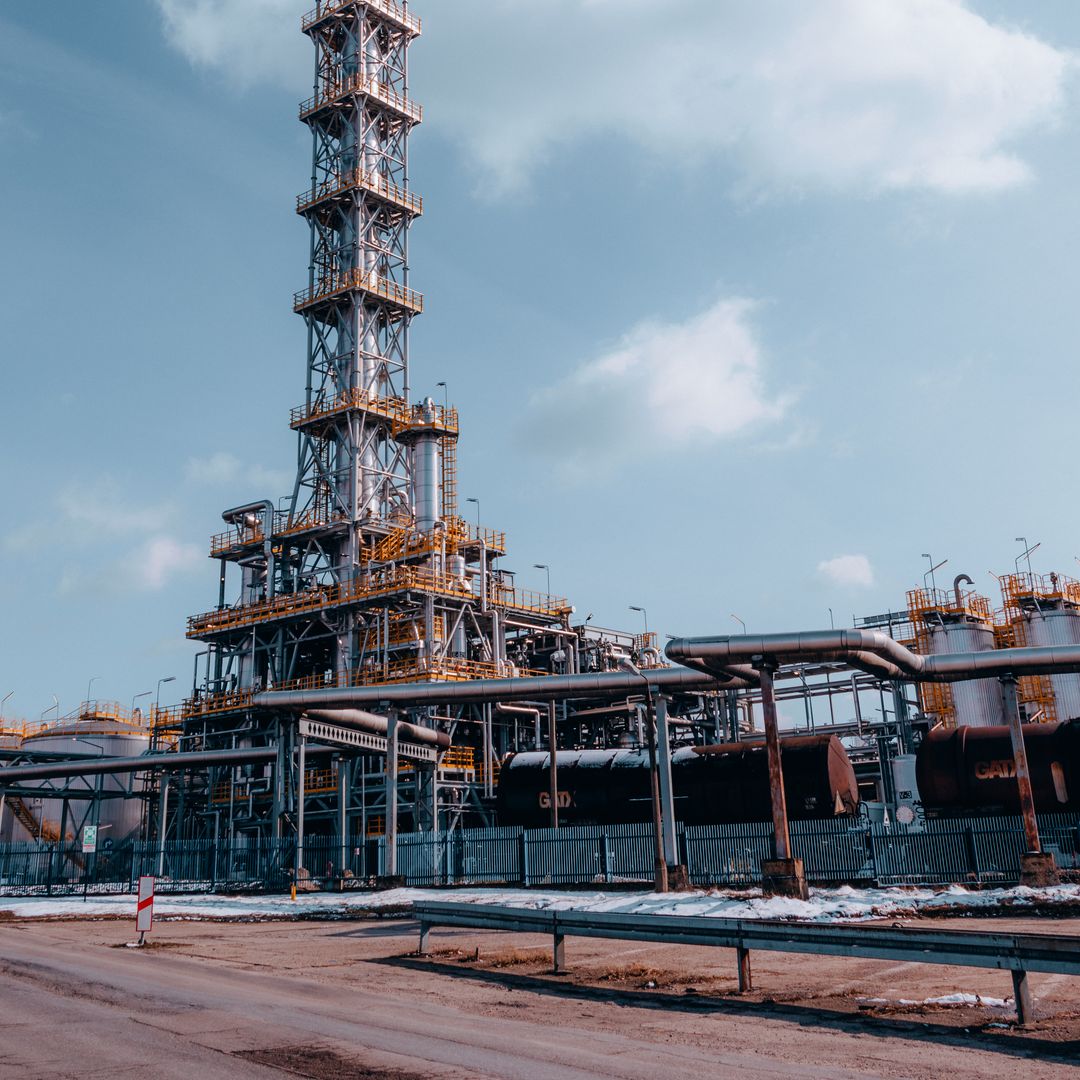
The vulnerability of the Russian oil sector has become all too real. According to estimates by the International Energy Agency, Russian refining throughput fell to 3.8 million barrels/day in June 2026, compared to a theoretical installed capacity of 6.5 million barrels/day. This gap shows that long-range drone attacks are disrupting complex technical facilities. Much like a modern factory where a single key component fails, a damaged refinery can remain paralyzed for months due to a shortage of sanctioned mechanical and electronic spare parts.
Understanding it
Why is striking a refinery more effective than targeting an oil well?
A crude oil well is just a hole in the ground: if damaged, it can be repaired quickly, and crude can simply stay in the rock. A refinery is a massive chemical plant that turns crude into gasoline, diesel, and jet fuel usable by tanks. Destroying a distillation column immediately halts millions of liters of fuel.
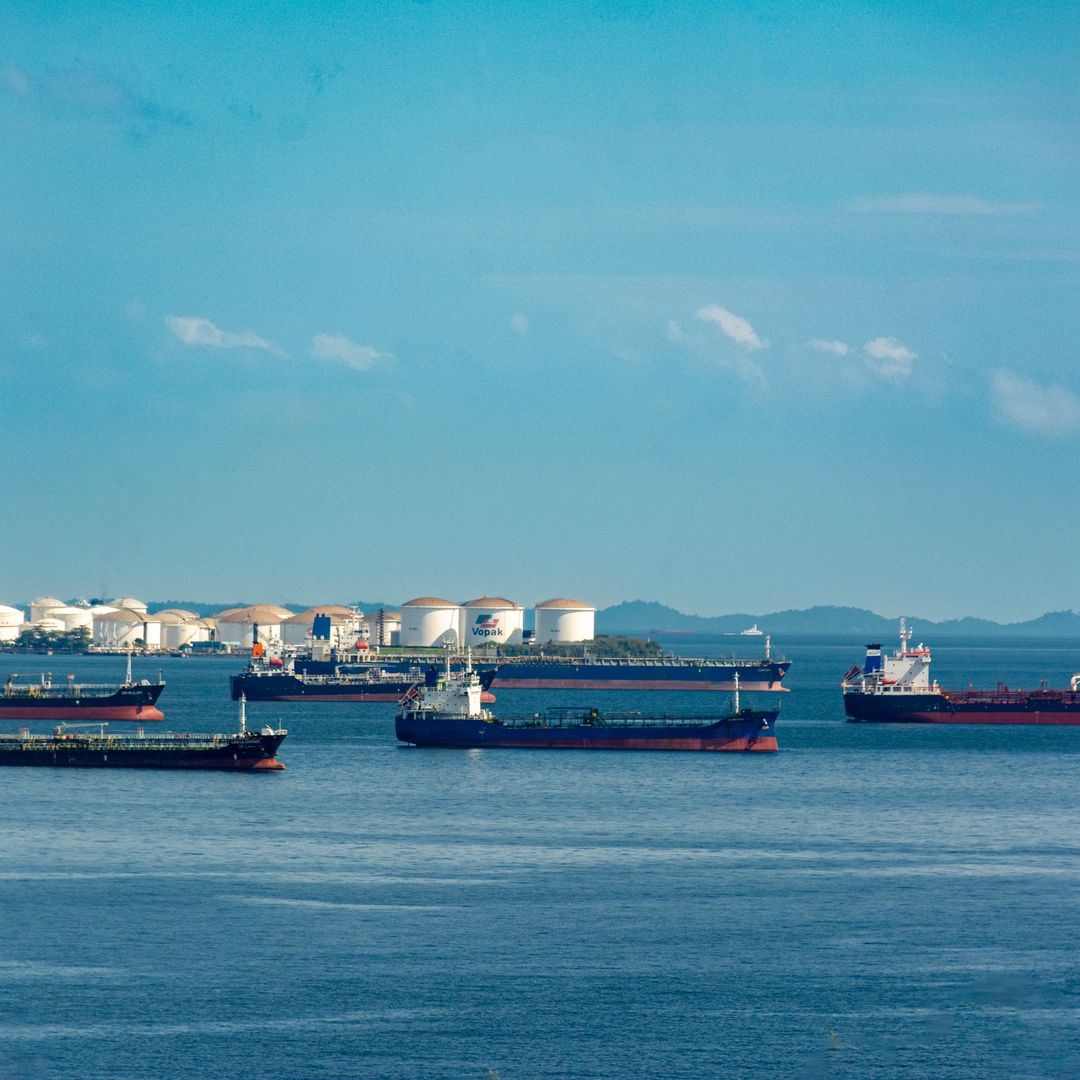
In response to these repeated strikes, the Russian government has already had to introduce temporary restrictions on its gasoline and diesel exports to avoid shortages at its domestic gas stations. This domestic strain weakens the Russian economy, but it also worries Western nations. If Russia sells fewer refined fuels to regular partners like India or Turkey, global markets must urgently reorganize supply chains. Such nervousness drives up crude prices and inflates fuel bills for European drivers.
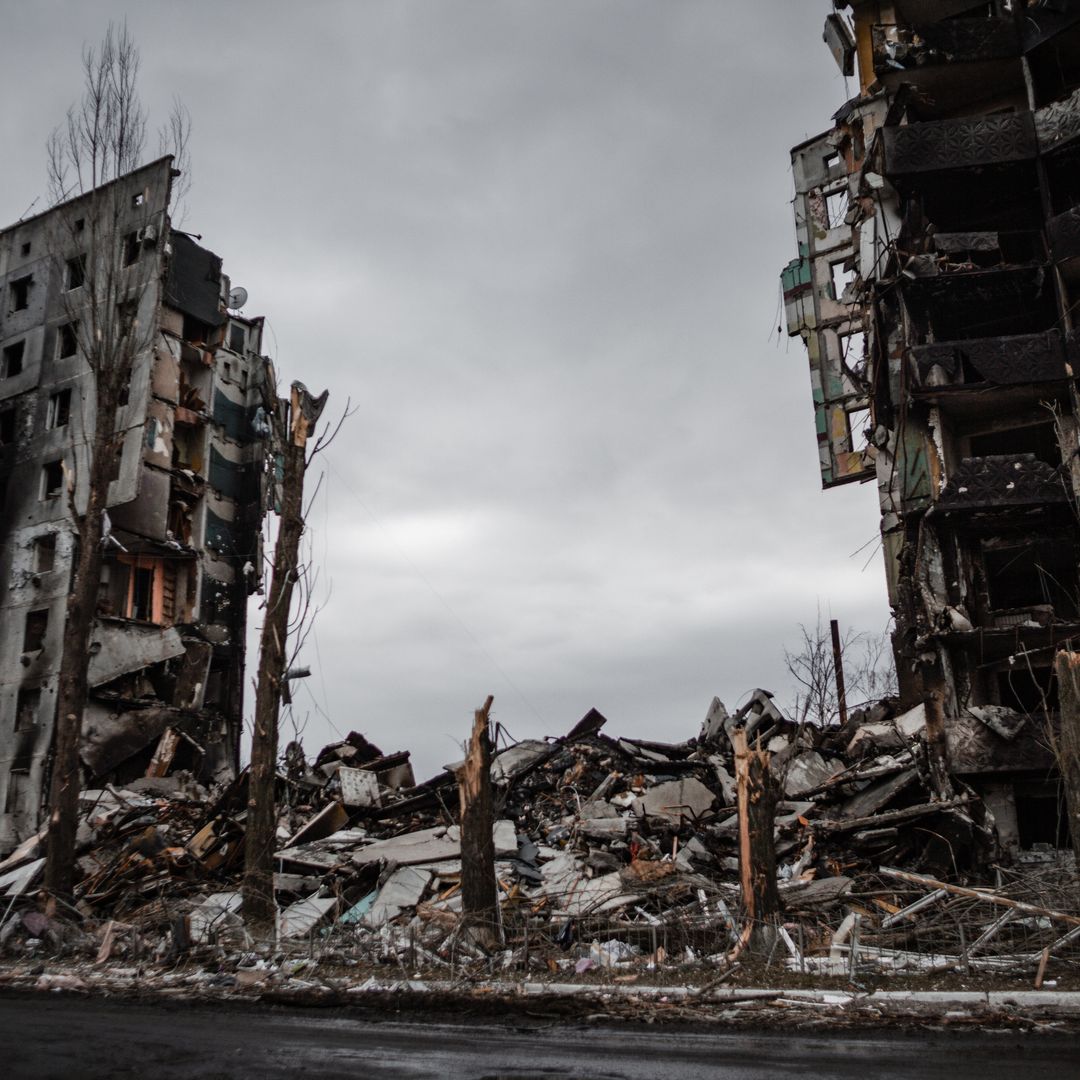
On the ground, the front line remains fiercely contested. Ukrainian authorities announced that their counter-offensive, dubbed “Vivaldi”, had reclaimed around 140 sq km in the Donbas region, a figure that remains to be confirmed by independent observers. Yet this local military advance does not offset the threat hanging over Ukrainian cities as the cold season approaches. Moscow is deliberately targeting thermal power plants and electrical transformers to plunge civilians into darkness and cold before winter.
The global energy balance now hinges on strategic decisions by major oil producers. Oil-exporting countries under OPEC+* are closely monitoring available supply. If Ukrainian strikes take significant volumes of refined products off the market for an extended period, the cartel could choose to offset the shortfall or, conversely, maintain strict quotas to prop up prices. European importers, including France, are thus caught between military solidarity with Kyiv and the risk of a new surge in energy inflation.
Understanding it
How does an oil risk premium affect what you pay at the pump?
When markets fear supply disruptions, traders add a safety premium to every barrel purchased. An extra cost of $5 to $10 per barrel of crude oil translates directly at the pump in France into an automatic increase of roughly €0.04 to €0.08 per liter of fuel.
The outcome of this standoff remains deeply uncertain, as both sides hold significant leverage to disrupt the other’s supplies. Will Ukraine manage to choke Russian logistics enough to force Vladimir Putin into negotiating an energy truce? Will Moscow succeed in breaking Ukrainian resistance by wiping out critical infrastructure before the spring thaw? Or will both belligerents lock themselves into a destructive cycle of blows that cements a permanent risk premium* on global oil prices?
Russian refining throughput (June 2026)3.8 million barrels/day lowest level in several years according to the IEA
Russian installed refining capacity (IEA 2026 baseline)6.5 million barrels/day theoretical capacity — actual throughput significantly lower
Les chiffres
Le débit de raffinage russe est nettement inférieur à la capacité installée, et la tendance reste sous les prévisions IEA.
Capacité installée (réf. IEA 2026)
6,5 Mbarils/j
Débit réel juin 2026
3,8 Mbarils/j
Prévision IEA fin 2026
4,0 Mbarils/j
Estimation mi-octobre 2026
4,1 Mbarils/j
Sources : IEA (capacité installée 6,5 Mbd, débit juin 2026 3,8 Mbd, prévision fin 2026 4,0 Mbd) ; Monitor the Situation citant IEA (estimation mi-octobre 2026 4,1 Mbd). Données vérifiées au moment du brief.
Three Trajectories for the Energy Escalation Between Kyiv and Moscow
What we're assessing
FavorableUn accord d'arrêt mutuel des frappes énergétiques protège l'approvisionnement civil des deux pays.
StableDes frappes ciblées régulières maintiennent une hausse modérée du prix du carburant en Europe.
DégradéL'escalade totale détruit le réseau ukrainien et propulse le pétrole mondial au-dessus de 120 dollars.
Favorable
20%
Unlikely
A compromise forces a halt to energy strikes
First scenario: Ukrainian strikes severely curtail Russian diesel production and cause heavy fuel shortages across major Russian cities. Faced with this economic disruption and mounting logistical difficulties for its military, the Kremlin agrees to open technical talks mediated internationally. In practice, both countries agree to a strict sectoral ceasefire: Ukraine halts drone attacks on Russian refineries in exchange for a complete end to Russian strikes on Ukraine’s power grid and heating plants.
Compared to the other two paths, this option requires Moscow to publicly acknowledge the vulnerability of its oil infrastructure to long-range drones. It also assumes Kyiv is willing to give up its most damaging leverage over Russian finances. Such an outcome would immediately calm energy markets and eliminate the geopolitical risk premium, but it could only materialize if economic pressure on the Russian regime becomes untenable early in the winter.
Indicators affected
Débit de raffinage russe (juin 2026)4,4 millions de barils/jour↑3,8 Mbd en juin 2026
Capacité installée de raffinage russe (référence IEA 2026)6,5 millions de barils/jour→6,5 Mbd de capacité théorique
The France angleLower fuel prices at the pump and secured European energy supplies. ↑ Rather favorable for France.
Stable
55%
Fairly likely
An energy war of attrition sets in without major rupture
Second scenario: both militaries maintain a steady, calibrated exchange of strikes throughout the winter. The Ukrainian military hits two to three Russian refineries per month, forcing Moscow to repair facilities at a sluggish pace and periodically limit fuel exports. Meanwhile, Russia continues drone attacks on Ukrainian electrical substations, triggering rolling blackouts without causing the country’s total collapse. In practice, global oil markets permanently price in a risk premium of $5 to $10 per barrel.
Unlike the favorable scenario of a swift deal or the degraded scenario of all-out escalation, this war of attrition becomes the new baseline accepted by markets. European nations weather the cold season thanks to well-stocked strategic reserves and liquefied natural gas imports, while Russia reroutes part of its unrefined crude to Asia. This state of affairs would prolong current tensions without fundamentally altering the broader military balance on the front line.
Indicators affected
Débit de raffinage russe (juin 2026)3,9 millions de barils/jour→3,8 Mbd en juin 2026
Capacité installée de raffinage russe (référence IEA 2026)6,5 millions de barils/jour→6,5 Mbd de capacité théorique
The France angleFuel prices remain elevated but without shortages or power cuts. ↓ Rather unfavorable for France.
Degraded
25%
Unlikely
Full escalation triggers a global oil shock
Third scenario: Russia responds to Ukrainian attacks with a massive destruction campaign targeting all remaining Ukrainian energy infrastructure and threatens maritime routes in the Black Sea. Ukraine’s power grid is knocked out, causing a major humanitarian crisis in the dead of winter. At the same time, disruptions to regional oil and gas exports send Brent crude soaring past $120 a barrel. In practice, European governments are forced to activate emergency energy plans and ration industrial consumption.
Unlike the controlled attrition scenario, this violent breakdown would transform a regional crisis into a global economic shock comparable to historical oil crises. The European Union would need to trigger its gas solidarity mechanism to support the continent’s most vulnerable countries. Such a spiral would fuel a sharp rise in inflation and place Western economies under extreme financial pressure, potentially weakening political consensus behind support for Ukraine.
Indicators affected
Débit de raffinage russe (juin 2026)3,2 millions de barils/jour↓3,8 Mbd en juin 2026
Capacité installée de raffinage russe (référence IEA 2026)6,5 millions de barils/jour→6,5 Mbd de capacité théorique
The France angleFuel prices surge above €2.20 per liter alongside the risk of energy restrictions. ↓ Rather unfavorable for France.
Ordres de grandeur indicatifs pour les 3 scénarios ci-dessus, estimés avec l'information disponible à la publication et réévalués si la situation change — jamais des prévisions garanties. Learn more about our method → · How to read a probability →
Key takeaways
Escalating Ukrainian drone strikes on Russian refineries threaten to disrupt Moscow’s refining capacity, while Russia retaliates against Kyiv’s power grid ahead of winter.
Russian refinery throughput fell to 3.8 million barrels per day in June 2026 according to the IEA, well below its theoretical installed capacity of 6.5 million barrels per day.
No immediate breakthrough: our most likely scenario (55%) anticipates an ongoing energy war of attrition with a $5 to $10 per barrel risk premium — two other scenarios remain possible: an energy truce agreement (20%) and a global oil shock above $120 (25%).
The key signal to watch is the adjustment of production quotas at the upcoming OPEC+ meeting and the actual level of Russian fuel stockpiles in the depths of winter.
Fairly negative
Our assessment of the impact for France: fairly negative.because the likely continuation of a war of attrition (55%) and the risk of severe escalation (25%) place a lasting extra cost on fuel for French households, compared to only a 20% chance of swift de-escalation.
Si tu devais retenir 1 chose
Avec un débit tombé à 3,8 millions de barils/jour en juin 2026, le raffinage russe tourne bien en dessous de ses 6,5 millions de capacité sous la pression des drones ukrainiens.
Don't miss the next edition:
For those new to the topic
Quick glossary
refineries
Complex industrial facilities that process crude oil extracted from the ground into usable fuels, such as gasoline, diesel, or jet fuel.
OPEC+
The Organization of the Petroleum Exporting Countries expanded to include ten partner nations, including Russia, which sets production quotas to influence global prices.
risk premium
An additional financial cost priced into a market asset to compensate for uncertainty tied to political, military, or climate threats.